Alexandra Studio's vision in nine beliefs: fintech problems are worth solving; people buy from people; collaboration beats competition; rooms, not ads; win the whole buying committee; marketing isn't sales; depth first, then new markets; promises in writing; fair by design. Founder Alexandra Grisanti studied architecture, and designs rooms where fintech companies meet the buyers they need, together with partners those buyers already trust.

Our Vision

Fintechs grow in real rooms, with real people, and with promises in writing.

Good products deserve to meet their customers.

Alexandra Studio works only with fintech. We grow companies by putting the right people in the same room, not by buying attention. These nine beliefs sit behind every engagement. Hold us to them.

01

The problems are worth solving.

We work only with fintech because the problems are genuinely hard: payment timing, alternative lending, cross-border transfers, compliance. That work is unfinished, and it deserves marketing that understands it, not just a bigger ad budget.

02

People buy from people.

Word of mouth is still the best channel. Feeds are crowded and inboxes are full, but people still trust what they hear from someone they know, and in person is where that trust gets built.

03

Collaboration beats competition.

A fintech of 15 to 25 people can't outspend a well-funded rival, so we don't try. We co-host with companies that sell to the same buyers without competing with you: banks, other fintechs, adjacent tools. Their credibility and audience join yours in one room.

04

Rooms, not ads.

There's no ad spend, because there are no ads. What you get is relationships and a contact list you own, not impressions. One loop, repeated: a point of view, a co-hosted room, everyone sharing it, thought leadership from it, a newsletter.

05

Win the whole committee.

Six to ten people need to agree on a fintech purchase, and most of them can't be reached with advertising. So we map the committee, find the companies that already sell to them, bring them into one room, and turn that room into content for everyone who couldn't make it.

06

Marketing isn't sales.

Marketing doesn't close deals. But without it you're invisible, and nobody trusts a name they've never heard. Marketing builds the audience; part of that audience is ready to buy. Sales closes. You need both.

07

Depth first, then new markets.

Stockholm, then the Nordics, then Europe. Nordic fintech runs on a tight network of decision-makers. Show up again and again next to companies they already trust, and credibility compounds instead of starting over in every market.

08

Promises in writing.

Fixed prices, never "it depends". The first month is free; after that we only invoice for months that reach 30 qualified leads and 5 held calls. Roles, brand order and what success means are agreed before anything goes out, and counts are never mixed with estimates.

09

Fair by design.

One client per vertical, so we never work for your competitor at the same time. You keep the guest lists, partnerships and content. AI helps us produce more, and a person checks every word. If there's no room worth building for you, we say so on the first call.

The manifesto is also available as a PDF.

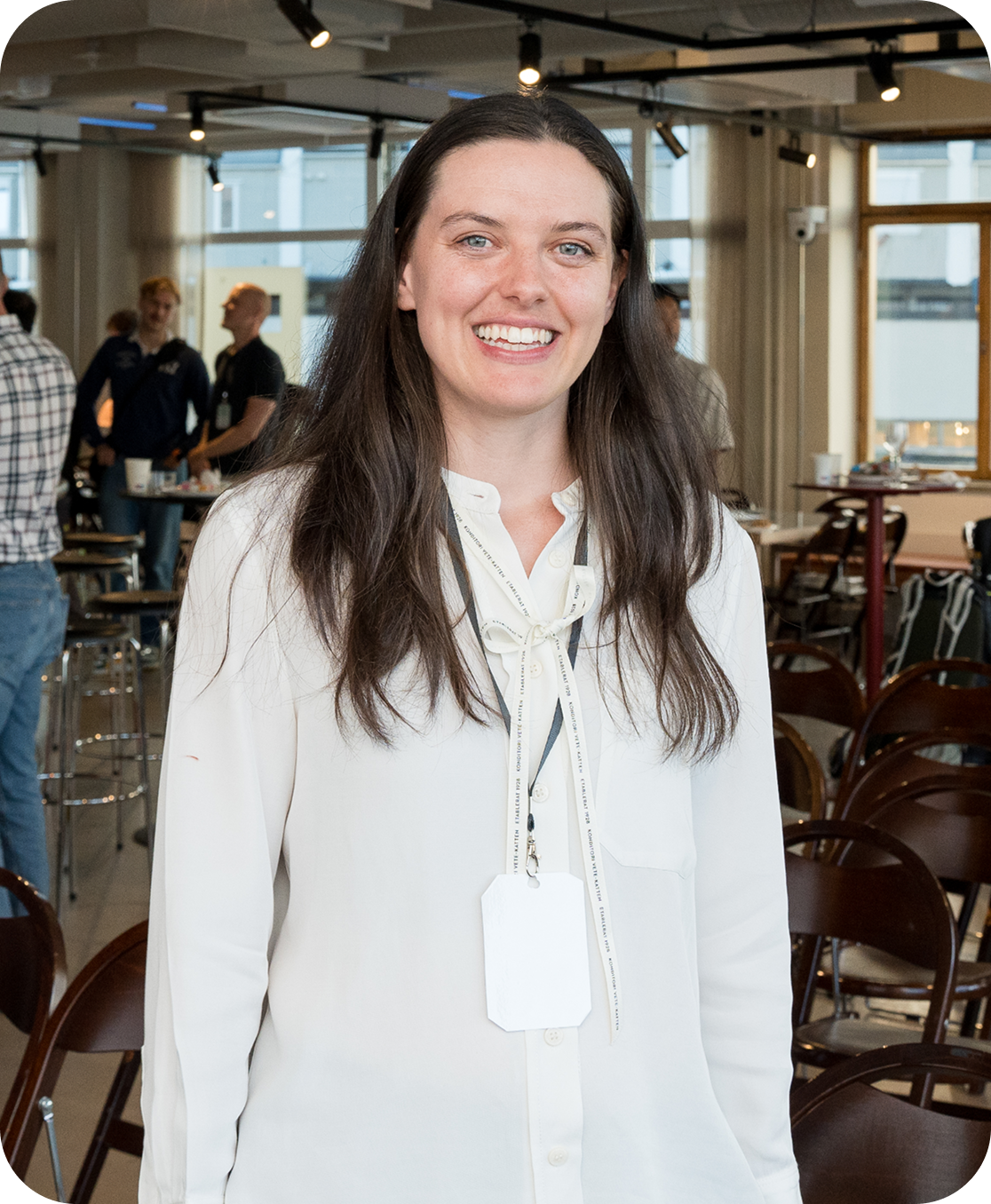
Where this comes from: I studied architecture.

Then I fell for products: product design, brand design, the craft of making something people want to use. I spent my first years in Nordic fintech designing products at Zwapgrid and Monitum, and I kept running into the same wall. None of it matters if customers won't talk to you, trust you or meet you. That's why I work in marketing. Not to make noise, but to get good products in front of the people who need them.

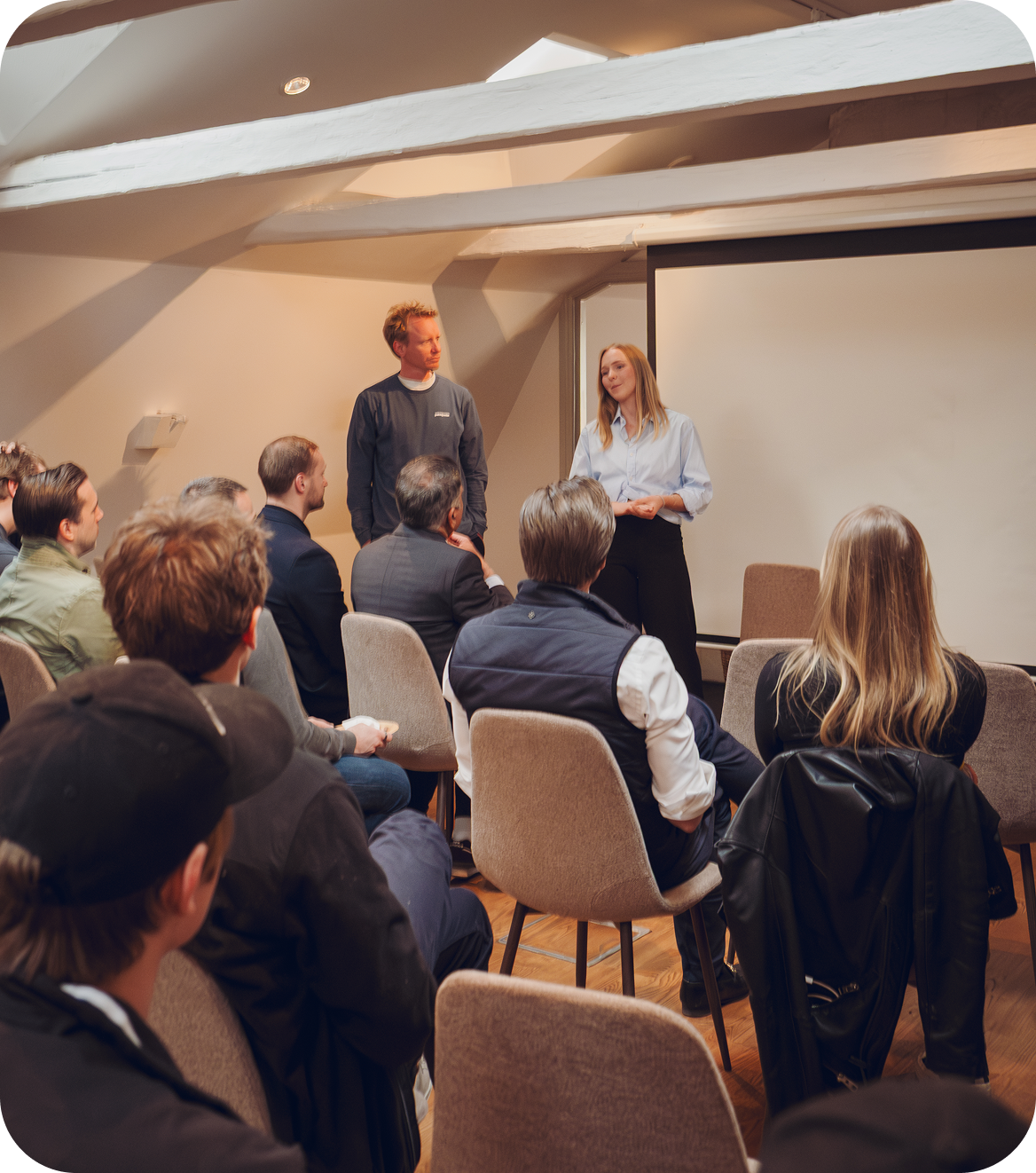
Founders and operators talking at a Stockholm fintech event
A speaker presenting to the room at an Alexandra Studio event

Rooms, by design.

Architecture taught me that the right space changes how people behave. A well-designed room makes conversation easy.

I still design rooms. Now they're full of people who should already know each other: a fintech, the buyers it needs, and a partner those buyers already trust. In 2026 that meant eleven rooms in Stockholm, Gothenburg and Amsterdam, from CMO breakfasts to a bank hackathon.

See every room we've run

A good room needs a system underneath it.

Who to invite. Who to partner with. What to talk about. How to follow up. What to measure. That's what go-to-market really is: the systems and the events that make meeting feel natural, obvious and familiar.

See how GTM works

Come and say hello.

If any of this sounds like the way you already think about growth, I would like to hear what you are building.

FAQ

Why only fintech?

Because the problems are real and specifically hard. Getting an SME paid on time, lending to a company a bank will not touch, moving money across a border without a week of reconciliation: these are load-bearing problems for the businesses that have them. Working in one category also means we already know who your buyer is, which partners are worth co-hosting with, and what has been tried.

Why one client per vertical?

Because the asset being shared is a room, and you cannot put two competitors on the same invitation without devaluing it for both. It caps how many engagements run at once, which is a deliberate constraint rather than a scarcity tactic.

What does "promises in writing" mean in practice?

Every proposal has a fixed price, never "it depends". On the growth engagement the first month is free, and after that the SEK 55,000 monthly fee (excluding VAT) is only invoiced for months that reach 30 qualified leads and 5 held calls (details). Brand order, roles and what success means are agreed in writing at kickoff, and counted results are always reported separately from estimates.

Who actually does the work?

Alexandra personally leads every engagement, with production support contracted per event. There is no handover to a junior and no pooled team shared across accounts.

What do we keep when the engagement ends?

The relationships, the opted-in guest lists, the partner introductions and every piece of content produced for you. If we build a newsletter or community for your company, that is yours too. Alexandra's own newsletter, Stockholm Growth & Fintech, and the Operator Network stay independent and are never sold.

Who is Alexandra Grisanti?

Alexandra Grisanti runs Alexandra Studio from Stockholm, working only with fintech companies. She holds a Master of Architecture, moved to Sweden in 2021, and has worked in Nordic fintech since 2022: as a UX researcher and lead product designer at Zwapgrid, a service designer at Monitum and an ad designer at the agency Heijbel Growth, where she started her first executive breakfast series. She also runs the Operator Network and writes the Stockholm Growth & Fintech newsletter.